Asphalt Shingle Roof Replacement Guide
A roof replacement is one of those home projects people feel confident they understand right up until they start talking to contractors and getting measurements, warranty terms, and options in the same week. Asphalt shingles are common, familiar, and usually straightforward compared with more specialized roof types, but replacement still involves decisions that affect performance for years.
What follows is a practical guide to help you understand when asphalt shingle roof replacement makes sense, what typically happens during a replacement, how roof inspection should be handled, and how to think about roof replacement cost without getting lost in vague quotes. I’ll also cover what to do when the damage is sudden, like after wind, hail, ice, or a leak that won’t stop.
When repair is the right move, and when replacement is smarter
Most homeowners start with the same question: “Can this be repaired?” In roofing, the answer depends less on the exact damage you can see and more on what’s likely happening under the surface. Contractors generally make that call by combining visual inspection with the condition of materials and the pattern of problems. Major manufacturers advise using a professional contractor to decide whether repair or replacement is best.
A commonly used rule of thumb is simple and honest: small, isolated problems can often be repaired, while older roofs, widespread damage, recurring leaks, or multiple trouble spots may justify replacement. That rule aligns with how roof systems behave. Asphalt shingles can look “mostly fine” from the ground, yet underlying layers, flashings, and deck issues can be the real problem. Once a roof is already showing repeated symptoms, patchwork can become a cycle.
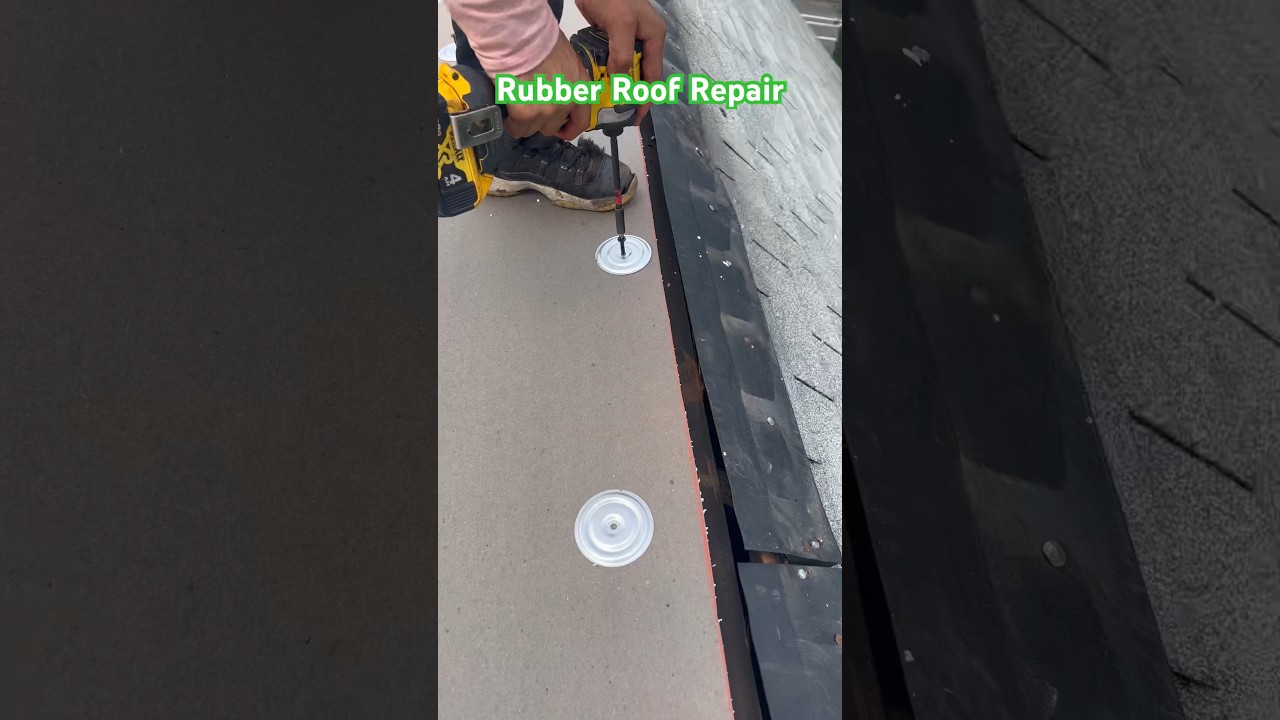
There’s also a timing factor. If you’re dealing with an emergency roof Click here for more info leak repair situation, you want to control water first. After that, the repair versus replacement discussion becomes more realistic because you can see what failed and what the remaining materials can still do.
Another practical point is that roofs do not live in isolation from hazards. Insurance and building science organizations note that properly designed, installed, and maintained roofs reduce damage from things like wind, rain, hail, ice, snow, and fire, and that post-event evaluation can identify whether repair is preferable to full replacement. That matters because after a storm, the same looking shingle surface can hide very different degrees of system damage.
How long an asphalt shingle roof usually lasts
Lifespan is often the quiet driver behind the decision to replace. Owens Corning indicates an asphalt shingle roof generally lasts about 20 to 30 years, with architectural shingles as a premium laminated type of asphalt shingle.
If your roof is nearing the end of that range, replacement tends to become less about chasing a single damaged section and more about avoiding repeated costs that stack up across multiple seasons. I’ve seen roofs where the shingles were still “in the ballpark,” but flashings and aging components were clearly behind. Even if a leak repairs easily today, the next failure point can show up before the repaired area has a chance to prove itself.
What “replacement” actually includes
When people hear “roof replacement,” they sometimes imagine it’s just swapping shingles for new shingles. In reality, a typical roof replacement includes more than the visible surface.
GAF describes a typical roof replacement as removing old roofing materials, installing new underlayment and roofing materials, replacing flashings and ridge caps, and cleaning up the site. That scope matters because leaks often start where water is guided, interrupted, or allowed to escape, not where shingles look the worst.
Underlayment is the layer that helps stop water infiltration when the roofing surface is compromised by wind-driven rain, ice dam conditions, or other stresses. Flashings and ridge caps are the system components that manage transitions and high points. If those areas are neglected, you can end up with a roof that still fails in predictable ways.
Signs you may be looking at asphalt shingle roof replacement
You don’t need every sign for replacement to be on the table. But these patterns help you and a contractor talk in the same language.
Repeated roof leak repair requests, even when each repair is “successful,” is one of the clearest indicators. A leak that returns after the next storm often points to a system-level issue rather than one isolated nail hole or a single shingle that blew off.
Widespread shingle damage is another. Wind and hail can create multiple impacted areas across slopes, and the roof may not fail immediately at the most obvious spot. It may fail at seams, edges, and penetrations where the system is sensitive.
A roof that’s older is also a major factor. When your asphalt shingle roof has been in service long enough to expect a normal aging decline, you’re not just replacing damaged shingles. You’re replacing a layered assembly that has endured cycles of heat, cold, moisture, and ultraviolet exposure.
Finally, the number of trouble spots matters. Owens Corning’s guidance frames replacement as more likely when there are multiple trouble spots. In practice, once you’re dealing with more than a few areas, a full replacement is often more economical than repeated patchwork and the stress that comes with it.
Roof inspection: what you should expect from a real assessment
A roof inspection is where repair-versus-replacement decisions get grounded. The goal is not just to identify what’s damaged, but to understand why it’s damaged and what will happen if you stop at repairs.
A professional roofing contractor should evaluate the roof system as a whole, not just the visible damage. That includes checking roof components where water tends to collect or move, assessing the state of flashing details, and looking for evidence of prior leaks. If your roof is showing signs of aging roof replacement conditions, inspection should also consider whether the underlying layers are reaching the end of their useful life.
After a storm, post-event evaluation is especially important. Building science guidance emphasizes that evaluation can identify cases where repair is preferable to full replacement. That means you should see a process, not a quick guess. If the inspector only photographs the obvious impacts and doesn’t explain how water is likely getting in or why the rest of the roof is still safe, you may want a second opinion.
Emergency roof repair: what to do before the contractor arrives
If you’re dealing with active leaking, ceiling stains, damp insulation, or water intrusion, emergency action is about damage control. It’s not about choosing the perfect long-term solution in the moment.
Here’s a short approach that keeps things sensible and safer for everyone involved.
- Contain water where it’s already leaking, using buckets or tarps that protect flooring and belongings
- Avoid walking on compromised sections if there’s visible sagging, loose shingles, or heavy debris
- Document the damage with clear photos from inside and outside, if safe
- Shut off or protect indoor valuables, especially electronics and stored paper goods
- Call for emergency roof repair so the roof can be stabilized before the problem spreads
A good emergency plan also includes what happens next. Even if you start with emergency stabilization, you’ll still need a roof inspection to decide whether this is a repair that will hold or an asphalt shingle roof replacement after leak is the better move.
The typical timeline and workflow for an asphalt shingle replacement
Exact schedules vary with weather, crew availability, and the scope of the project, but the sequencing usually follows a logical order.
The contractor removes the old roofing materials, then installs new underlayment and roofing materials. During the process, flashings and ridge caps are replaced, since those parts often fail before the rest of the roof looks “mostly okay.” Once the new system is installed, the site is cleaned and the roof is verified for proper closure and water management.
That sequence is important because it highlights why replacement can feel disruptive. Removal exposes the deck and existing layers. That’s when issues that were hidden under aging materials can become visible. The best projects handle that reality promptly, instead of pretending the roof was perfect underneath.
Asphalt shingle choice: standard, architectural, and performance trade-offs
Owens Corning notes that architectural shingles are a premium laminated type of asphalt shingle. In practical terms, laminated shingles are often chosen because homeowners want a more robust appearance and a more substantial feel under typical roof conditions. But “better” doesn’t mean “always best,” because the right choice depends on your local climate exposure, roof geometry, and how the system is installed.
A professional contractor can discuss how shingle type interacts with your existing roof layout. For example, steepness, complexity around valleys and penetrations, and the condition of edges and flashings all affect how shingles and underlayment behave. Even if two homes have the same shingle type, the roof performance can differ if the installation details differ.
If you’re not sure whether you should stick with asphalt shingle roofing or consider alternatives, it’s worth remembering that asphalt shingles are dominant residential roofing material in the U.S. Owens Corning cites research indicating they accounted for 70% of roofing material volume used in single- and multi-family new construction, roof repair, and roof replacement projects. Familiarity can be an advantage, but you still want correct installation and a proper inspection-driven scope.
Roof replacement after a leak: why the fix may not be the only issue
A roof replacement after leak is one of those phrases that sounds extreme until you realize how often leaks are symptoms, not just causes. Water gets in through weak points, then travels. The location of the stain inside your home might not match the exact spot where water first entered.
That’s why repair decisions rely on inspection evidence. If inspection shows that the leak came from an area where multiple system components are already worn or compromised, replacement becomes a more stable solution than repeated roof leak repair patches.
In my experience, homeowners get stuck on the idea that “the leak is gone, so the problem is solved.” Sometimes it is. Other times, the leak stopped because conditions changed, not because the roof system was corrected in a lasting way.
Cost: what people mean by roof replacement cost (and what you should ask)
Roof replacement cost depends on roof size, materials, and project complexity, and costs can vary widely. GAF reported an average 2023 roof replacement cost of $14,959 for an asphalt shingle roof, while emphasizing that actual cost varies.
That average number is useful as a general reference point, but it should not be treated like a quote. The most important thing you can do is get a detailed scope and understand what’s included. Since a typical replacement includes removal, underlayment, new roofing materials, flashings, ridge caps, and cleanup, you should expect line-item clarity around those parts.
If a quote feels unusually low, it may mean that the scope is thin, or it may mean the project is simpler than you expected. Either way, you want clarity before work begins. If the roof shows multiple issues, a contractor should be able to explain why replacement is needed rather than offering a “one-size” approach.
Metal, slate, tile, flat, and other roof types: when comparison matters
You came in looking for asphalt shingle replacement guidance, and that’s appropriate for most residential scenarios. Still, comparison helps when you’re trying to decide whether to stay with asphalt shingles or explore other roof materials.
It’s useful to know the decision framework is similar even when materials change. You’re still weighing age, the number of trouble spots, and whether repair can address the root issue. The difference is that each roof system has different weak points and different repair versus replacement thresholds.
For example, while the context here focuses on asphalt shingles, post-event evaluation concepts apply broadly. After hazards like wind, hail, and fire damage, Commercial Roof Replacement the question is whether structural distortion or system damage makes repair inadequate.
If you’re also considering commercial roof installation or commercial roof replacement on a low-slope roof, evaluation differs by system type. IBHS guidance covers repair or replacement evaluation for materials including low-slope metal and spray polyurethane foam, with the idea that hazards like fire, hail, wind, and structural distortion can change whether repair is feasible.
That broader thinking can help you ask better questions even for residential asphalt shingles. The right question is rarely “Can you repair it?” and more often “Is the system still reliable, or is it reaching the point where replacement is the safer path?”
What to watch for in contractors and proposals
Roofing is one of those trades where good work is partly visible and partly hidden. You want to verify that the contractor plans to do the replacement scope that actually makes a difference, like underlayment replacement and flashing work. Since typical replacement includes removal, underlayment, roofing materials, flashings, ridge caps, and cleanup, those items should appear in your plan.
For asphalt shingle roof replacement specifically, I recommend focusing on how the contractor explains the diagnosis. Do they connect the visible issue to the likely water path? Do they discuss the condition of aged materials and why repair might not hold? Do they describe how they’ll handle emergency stabilization if needed?
Here are a few questions that often reveal competence quickly:
- What does your inspection show about the source of water intrusion, not just the symptom?
- What exact parts will be replaced, including underlayment and flashings and ridge caps?
- How will you protect the site if weather changes during the job?
- How do you decide whether roof repair or Roof Replacement After Leak is necessary?
- What is your cleanup plan at the end of installation?
A contractor can be busy and still be clear. If your proposal is vague about scope, expect vague results.
Weather, storms, and the “right time” to replace
Storm timing affects damage visibility. Hail, wind, and ice can create impact patterns that are not always obvious until conditions shift or until a careful inspection happens. That’s why post-event evaluation matters.
There’s also the practical side: crews can’t replace a roof safely in the middle of a downpour. If your roof is actively leaking, emergency roof repair should come first, then replacement scheduling follows based on drying time, inspection findings, and material availability.
If your roof is aging and approaching the typical asphalt shingle lifespan window of 20 to 30 years, you may not want to wait for the next storm to “finish” the job. But you also don’t want to rush replacement if inspection suggests repair can address the issue reliably.
Fire damage roof replacement and other serious events
Some roof failures are obvious because the event is severe. Fire can compromise roof components in ways that are difficult to assess from the exterior alone. After major hazards, the decision is often less about the appearance and more about whether system damage changes what repair can realistically achieve.
Building science guidance highlights that evaluation after events can identify cases where repair is preferable. That means even after something scary, a professional assessment can help you avoid unnecessary replacement. At the same time, it can also justify fire damage roof replacement when the roof system is no longer dependable.
If your roof has been affected by serious hazards, prioritize inspection and documentation. You’ll make better decisions, and you’ll reduce the chance of repeating repairs in the future.
Final reality check: replacement is sometimes the least stressful option
People often assume replacement is the most expensive option, so they delay it. The stress of multiple repairs, the recurring worry about a roof leak repair situation, and the inconvenience of responding to new symptoms can quietly outweigh the perceived benefit of postponing replacement.
When your asphalt shingle roof is near expected life span, has widespread damage, shows recurring leaks, or has multiple trouble spots, replacement tends to be the more dependable choice. That lines up with the rule of thumb used by industry guidance, and it matches the experience-based way contractors assess roof reliability.
If you want one takeaway that actually helps during planning, it’s this: don’t let the decision be driven only by what you can see from the street. Ask for a roof inspection that explains the water path and the system condition. Then use that information to decide between repair and Roof Replacement After Leak, especially if the issue is recurring or your roof is aging.
Asphalt shingle roofing is common, familiar, and widely supported by manufacturers, and when it’s replaced with proper scope and careful installation, it can be a clean reset rather than another chapter in the same leak story.